


Diamond powder can power the precision machining of third-generation semiconductor
In high-end semiconductor-manufacturing industry filed, many core sectors governing the final yield and stability of supply chain will reside the obscure key material skills.
Nowadays, the third-generation of semiconductors, such as silicon carbide, has become the fundamental platform for core applications in new energy vehicles, high-end fast charging, and photovoltaic inverter systems.
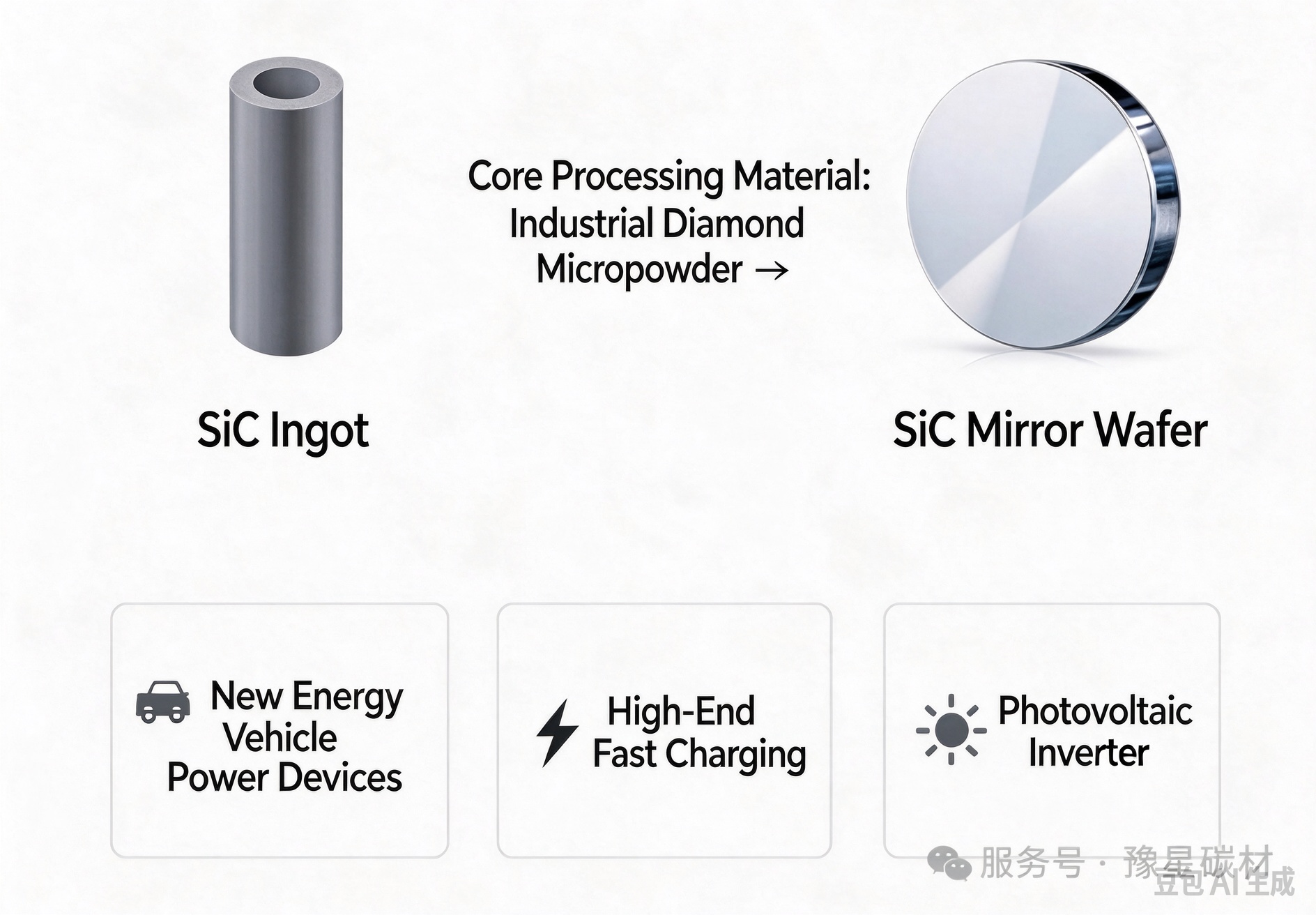
And turning the silicon carbide Crystal rods into mirror-like wafers that meet the standards for chip manufacturing is the core step of the entire process. At this point, the industrial diamond powder can play an important role.
Diamond powder not only plays roles in a single process, but also involves in the entire process of silicon carbide wafer processing. The performance of the diamond in each stage directly determines the processing outcome of the next step. The three core processes are closely interlinked.
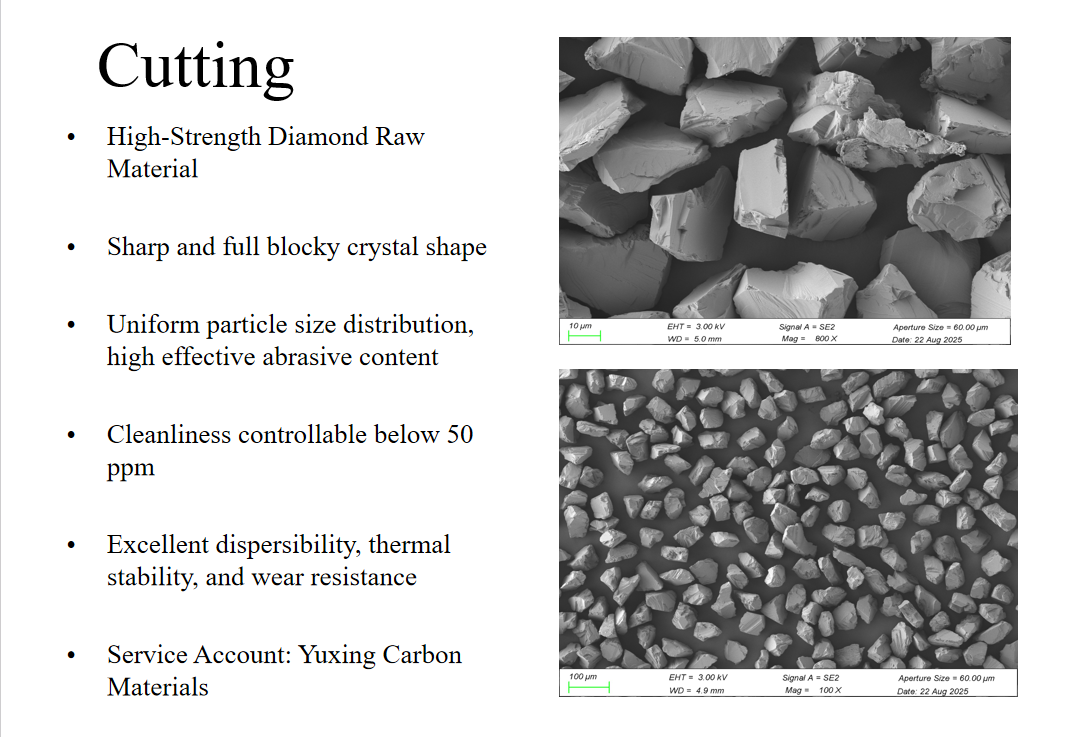
- Cutting process
The diamond wire saws contains diamond cutting powder, it can uniformly cut the silicon carbide crystal rods into thin wafers of the specific thickness. It can ensure that the thickness deviation of the wafer is controlled within a reasonable range.
- Grinding process
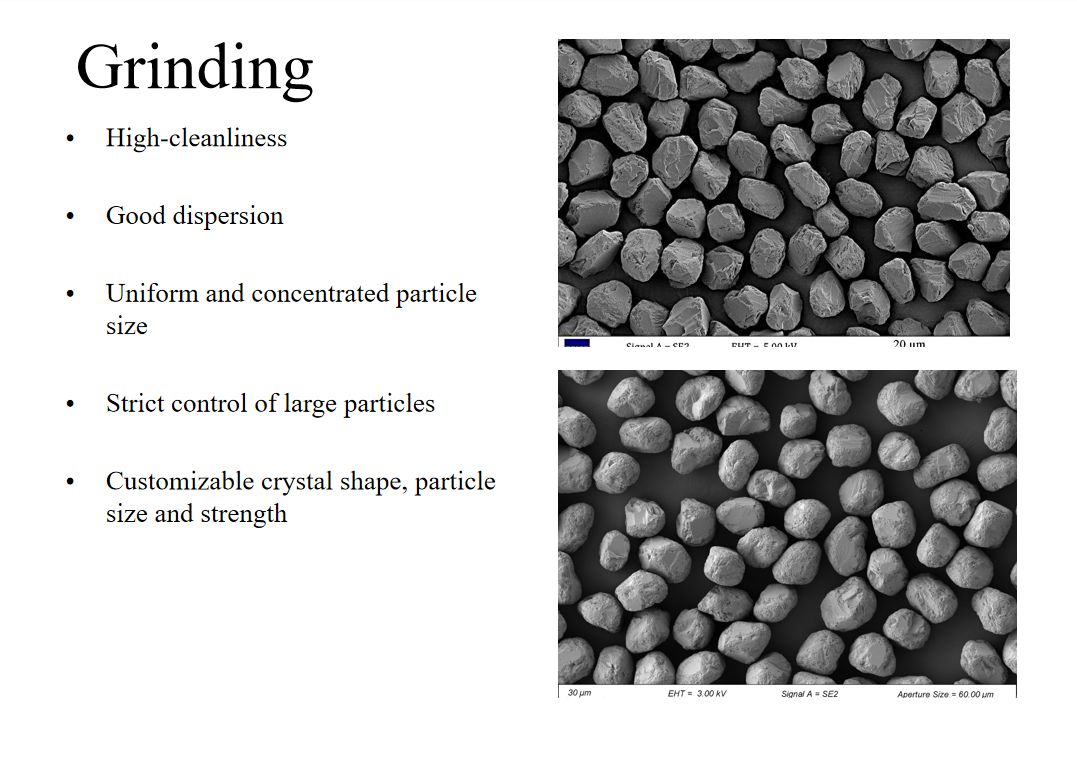
For the damage layer generated on the surface of the wafer after cutting, different particle sizes of diamond grinding powder are used for processing. The damage layer is gradually removed in two stages: rough grinding and fine grinding. At the same time, the overall flatness of wafer is processed to the range required by the process.
- Polishing process
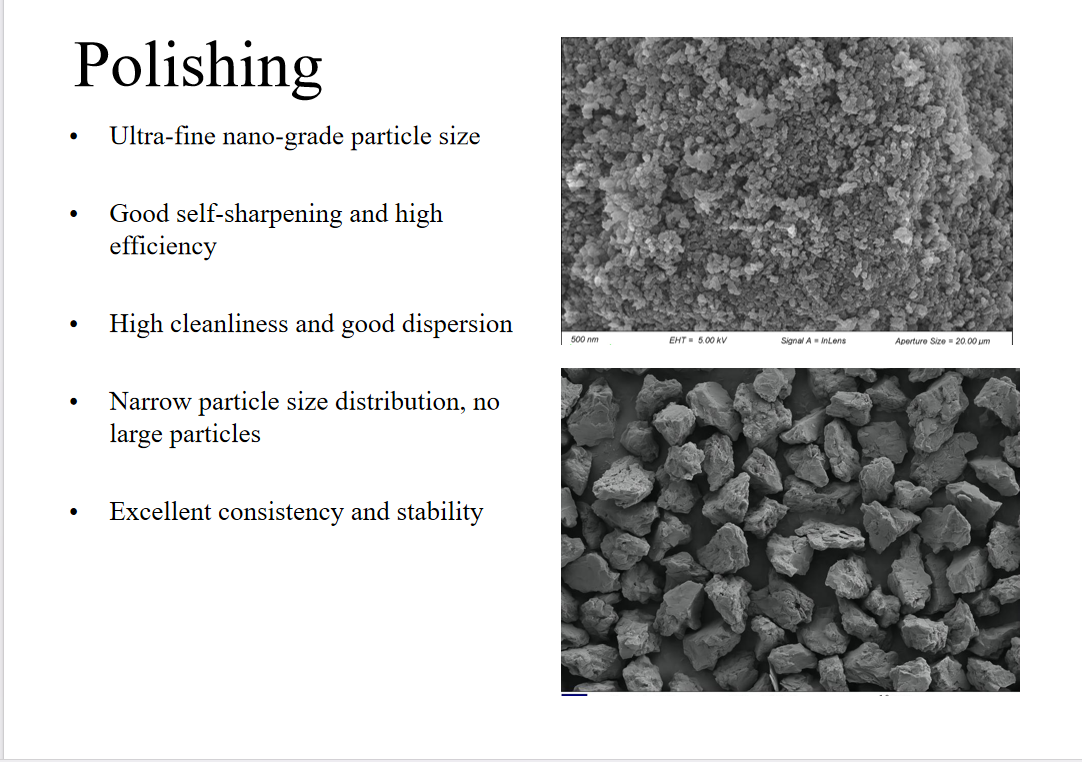
By using diamond polishing powder that are suitable for different polishing stages, the entire process from rough polishing to chemical mechanical precision polishing is completed. Finally, the surface of wafers is processed to a damage-free mirror-like state that meets the requirements of chip manufacturing.
If the quality of diamond for any single process step can’t meet the standards, it will affect the subsequent steps: The deep damage layer from the cutting process can’t be removed completely during the grinding process, this will directly reduce the structural strength of the wafers, and will lead to the risk of cracking during the subsequent chip manufacturing process. If the flatness of wafers after grinding is not sufficient, it will directly reduce the yield of whole production line, because whatever to adjust the technical parameters during the subsequent polishing stage, it’s possible to manufacture qualified mirror-like wafers.
Three core standards of Semi-conductor grade diamond powder
Within the diamond industry, the quality assessment of diamond powder extends beyond the material itself; the core indicators that determine the stability of downstream precision machining are concentrated in three dimensions.
- Highly concentrated particle size distribution
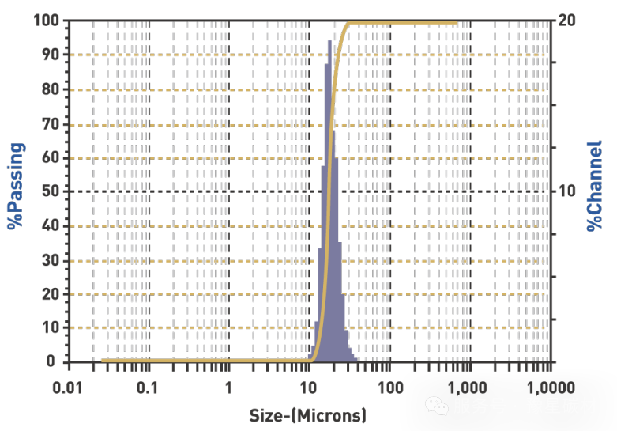
The diamond particle size distribution is highly concentrated, diamond’s particle size deviation need to control within extremely narrow range for same batch. If the particle size is uneven, during grinding and polishing process, some areas may be over-grinding or under-polished locally, thereby damage the flatness of the wafer.
- Products can meet the surface cleanliness standards of diamond.
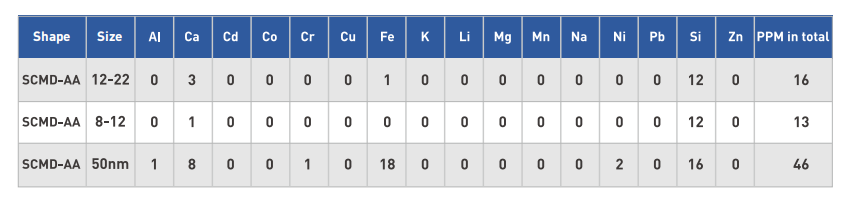
The surface cleanliness of diamond products need to meet the standards, we need to control the the content of metal impurity within the lowest threshold level in the diamond industry. If there is an excessive amount of metal impurity remaining, the impurity will embed into the surface of wafers during processing, after that, it will become a source of pollution and affect the performance and yield of devices.
- The consistency of diamond batches is stable.
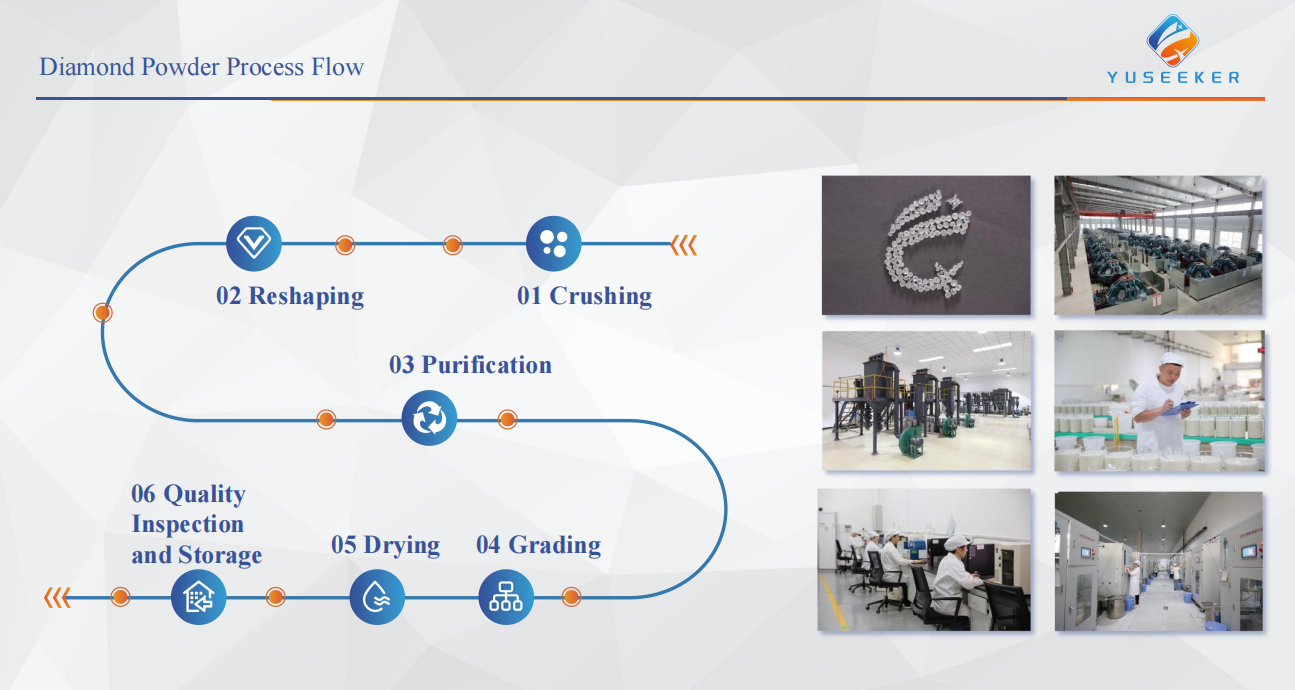
The consistency of batches is stable, the morphology and strength of diamond in each batch need to be consistent. Only when the batch quality is stable can downstream production line avoid repeatedly adjusting the process parameters, ensuring that continuous production is not affected by the fluctuation of consumables.
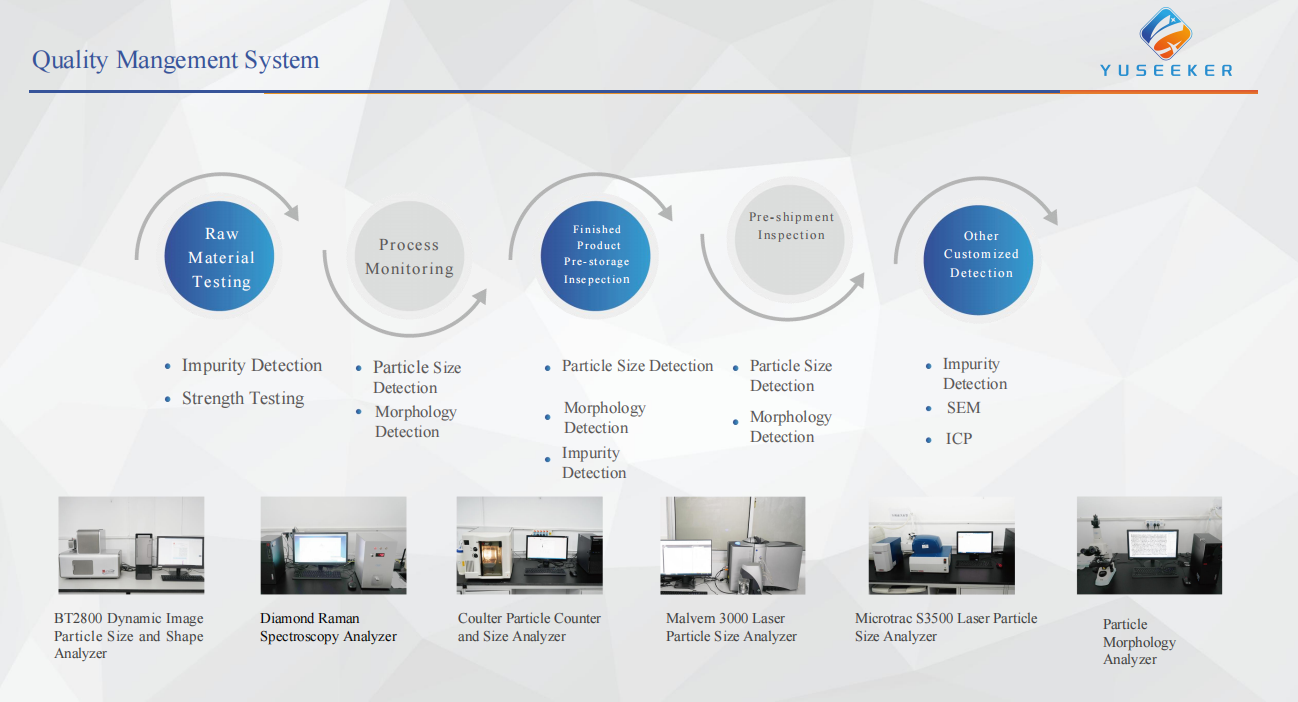
Therefore, all large-scale semiconductor manufacturing enterprises have established strict inspection mechanisms for diamond powder entering the factory. They usually use laser particle size analyzers and particle size counting systems to conduct a verification of core indicators for each batch, ensuring quality control from source.
Contact:
Siya
Email: siya@microndiamond.com
Mobile: 86-18238698305
Wechat/whtasapp: 86-18238698305
Web: en.microndiamond.com


